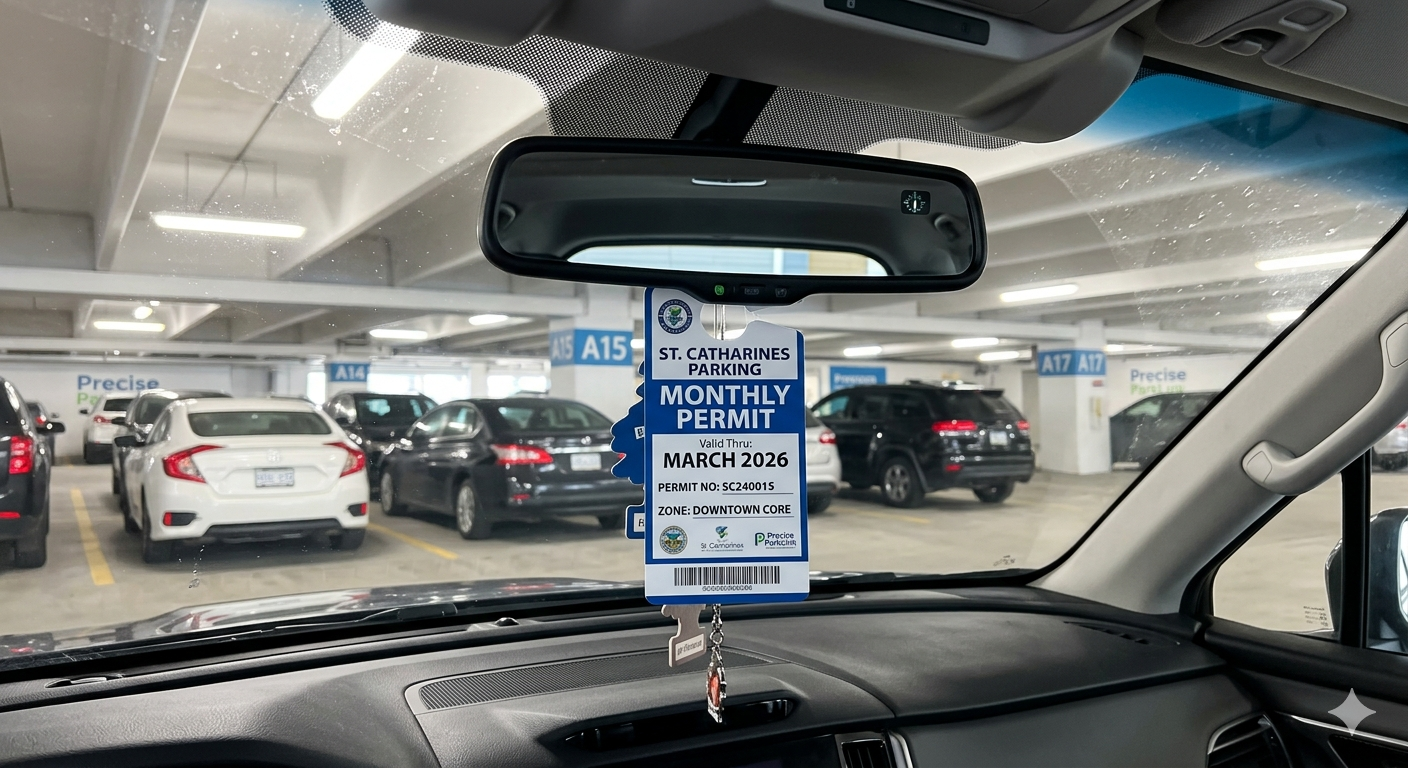
Monthly parking permit programs are the closest thing parking operators have to recurring subscription revenue. When run well, they provide predictable base income, fill your lot during daytime hours, and reduce the operational overhead of per-transaction management. When run poorly, they create administrative headaches, credential abuse, and a churn problem that constantly erodes your base. Here’s how to build a program that performs.
Pricing Strategy: Setting Monthly Rates That Hold
Monthly rates should reflect a genuine discount over what a daily transient parker would pay — typically 20–35% below the daily maximum multiplied by 22 workdays. This discount compensates for the commitment and the guaranteed revenue it provides you. Price too close to transient rates and you’ll struggle to fill monthly inventory. Price too far below and you’ll have a waitlist but leave significant revenue on the table.
Revisit monthly rates annually at minimum, and more frequently in tight markets. Monthly parkers are more price-sensitive than transient users on a per-transaction basis but more tolerant of gradual increases because switching costs are real — they’ve established a routine. A 5% annual increase is usually absorbed with minimal churn. A 20% jump, even if justified by market conditions, will spike cancellations.
A fully automated access system makes monthly permit management significantly more efficient. Automated parking systems that tie credential issuance to permit databases eliminate the manual work of tracking who has active access and who has lapsed.
Credential Types: Hang Tags, RFID, and LPR
Hang tags are the lowest-cost credential to issue and require no infrastructure investment. The downside is that they’re easily transferred, borrowed, or duplicated. Hang tag programs require physical auditing to control abuse.
RFID transponders (windshield stickers or hangtag transponders) communicate with readers at entry and exit points, allowing automated gate access tied to a specific vehicle or account. Lost or transferred transponders can be deactivated remotely. RFID works well in gated facilities and provides a clean audit trail.
License plate recognition (LPR) eliminates the physical credential entirely. The system reads the vehicle’s plate on entry and grants or denies access based on permit status. There’s nothing to transfer, lose, or forget — and the audit trail is automatic. The tradeoff is higher initial infrastructure cost and the need for clean plate reads in various lighting and weather conditions.
For new programs or program overhauls, LPR is increasingly the credential of choice for operators who want low administrative overhead and strong audit capability. Read more about LPR camera implementation in our guide to common LPR camera pitfalls.
Waitlist Management and Renewal Automation
A waitlist is a sign of a healthy program — but only if you manage it actively. Keep your waitlist in a system that tracks sign-up date, contact information, and preferred start date. When a permit becomes available, contact the next person on the list within 24 hours. Unclaimed spots that sit for more than a week represent lost revenue.
Renewal automation is one of the highest-ROI administrative improvements available to permit programs. Set up automatic renewal billing 30 days before expiration with opt-out rather than opt-in. Programs that require active renewal to continue lose 15–25% of their base annually to passive attrition — permittees who didn’t cancel intentionally but simply forgot to renew. Auto-renewal cuts that number dramatically.
Send a rate notification email 60 days before renewal if rates are changing. This gives permittees time to budget and reduces the emotional impact of a bill increase. Include a clear opt-out mechanism — transparency about rate changes with ample notice is the single most effective tool for retaining monthly parkers through price increases.